National Eating Disorders Association
Blog
Weight Stigma

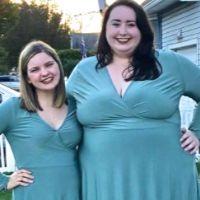
I was first diagnosed with an eating disorder in 2013 when I was 19, but my deadly eating disorder and terrifying habits had begun long before then. They started when I was 14 and progressed for five years until I was so deep in my eating disorder that I didn’t know how to get out.

Throughout my life I have been bigger than my peers, and that seemed to be a constant topic among everyone in my life: the bullies, family, and friends. However, no one acknowledged that my unhealthy eating habits were symptoms of a larger problem.

Read more >

The use of food for emotional comfort is often normalized in our culture. It’s very common to see TV shows or movies portraying actresses drowning their sorrows after a breakup by eating a tub of ice cream or an entire box of chocolates. That tells us that it’s acceptable to use food to cope with difficult emotions. For some people, that may be effective and not seem problematic, but it’s far more complicated for someone with an eating disorder. 

Read more >

“Dear Melody” is a monthly advice column by Dr. Melody Moore, a clinical psychologist, yoga instructor and the founder of the Embody Love Movement Foundation. Her foundation is a non-profit whose mission is to empower girls and women to celebrate their inner beauty, commit to kindness and contribute to meaningful change in the world. Dr. Moore is a social entrepreneur who trains facilitators on how to teach programs to prevent negative body image and remind girls and women of their inherent worth.

Read more >

Last week, my close friend Colleen and I were invited by NEDA to see the NYC premiere of Fattitude. This documentary film was created by Lindsey Averill and Viridiana Lieberman and it explores the discrimination fat people face—done by society, strangers, and even by loved ones. 

Read more >

I’ll never forget the day I arrived at a job interview with my hair dyed black with a subtle hint of blue. I didn’t think it would be an issue at a supposedly young and innovative media company, but my interviewer couldn’t see past my hair to my qualifications. Instead of listening to my responses to her questions, she looked at me like I flew into the interview from outer space and our conversation ended after only 15 minutes. 

Read more >

Once a year, the grocery store checkout magazines come out with their “Half my Size!” issue, featuring people who have dropped a significant amount of weight. They stand in one leg of their old jeans or flex in trendy athletic wear, smiling like “happily ever after” has finally arrived for them. 

Read more >

We want our kids to grow up feeling strong and confident in their bodies. We’ve learned a lot about what to do—and what not to do—to promote a positive body image. We know better than to comment on other people’s weight and engage in diet talk in front of our kids. We model self-care behaviors and teach them values related to diversity in all areas, including body size.

But what happens when our children walk into the world?

Read more >

The family story about me that has enthralled me most has to do with my thighs. My mother says that the nurses who cared for me in the hospital nursery would pick up my newborn legs and laugh about the immense size of my thighs--far too big for an average-weight baby, they chided. Eventually, this disproportion led to body-shaming nicknames, like Thunder Thighs and Drumstick. On the one hand, I embraced their abundance. They were thick and powerful and helped me easily press double my weight in the gym.

Read more >

A picture is worth a thousand words, but what about the words themselves? For people who have struggled with an eating disorder, words can play a huge role in whether or not they engage in ED behaviors. Words and language are such critical elements of our relationships and interactions, and it sucks when they continually chip away at our psyches. 

Read more >

When it comes to eating and image disorders, the lion’s share of attention goes to the body. So, it appears, there is no attention given to the face. Yet, within the eating disorder context, my negative experience with my face was just as painful as the unforgiving perception of my body. And it started early.

As an overweight child, several adults repeatedly made the same comment. Perhaps you’ve had it spoken to you.

Read more >

Pages