
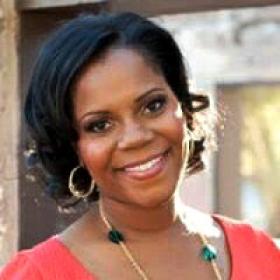
Dr. Lesley Williams is a certified eating disorder specialist, family medicine physician and positive body image advocate. She co-owns Liberation Center, an eating disorder treatment facility, in Phoenix, Arizona. Dr. Williams is dedicated to ensuring that all women and men that struggle with eating and body image issues receive the help that they need to overcome and live happy, healthy lives. Dr. Williams regularly educates other healthcare professionals about the diversity and dangers of eating disorders. She has made several media appearances as an eating disorder expert and regularly speaks at national conferences. Her most recent body image advocacy project is writing the children’s book Free to Be Me. It encourages young girls and boys to love their bodies, no matter what size, and is scheduled to be released later this year.
How can I rebuild trust with my parents after suffering from an eating disorder?
Eating disorders thrive in secrecy and deceit. It can be a struggle to move past the distrust that develops during the height of your eating disorder once you are in recovery. However, if you are willing to do the work, rebuilding trust with your parents is possible.
Here are some tips I recommend to help you rebuild trust:
1. Share your struggles. Tell your parents when you are having a difficult time and explain how they can help. It may feel like you’re sharing too much information. However, it helps ease their fears when they have a better understanding of what you are going through. They will appreciate you being honest about your triumphs as well as your challenges.
2. Be open about what you are doing. The more they know, the safer they’ll feel. It will be easier for them to trust you when they can see what you are doing or contact you easily. This can be achieved by letting them know where you are at all times, answering calls and texts promptly, having meals together, spending more time at home in common areas, leaving bathroom doors slightly open, etc.
3. Go to family counseling. Therapy sessions can provide an excellent opportunity for you to discuss the distrust between yourself and your parents. A therapist can help you explore the distrust, why it developed and what you can do to earn their trust again. This can be a difficult topic that is charged with emotions. Being able to discuss it in a safe environment with a neutral party is very helpful.
4. Attend family support groups. This will help your parents learn more about eating disorders and the common struggles that other families share. Understanding how eating disorders fuel distrust in many families may help them. This may make it easier for them to appreciate that the distrust was a byproduct of the eating disorder and not a reflection of how you want your relationship with them to be in the future.
Thank you for this question. I believe that these tips can help you and your family rebuild trust. Doing this is an important step in your recovery process. I wish you the best!