
It’s common knowledge that the diet industry profits off of women’s insecurities. This month, Weight Watchers took the shaming into the bedroom with its WW Black campaign in Australia.
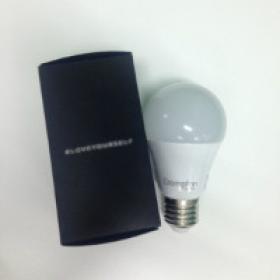
The infamous weight loss company sent out promotional light bulbs with a message reading:
Let’s be honest for a minute, sex is pretty damn fantastic. But if you’ve ever felt self-conscious in the sack you’re not alone – we’ve heard that more than half of women have avoided sex because they were worried about how they look.
This globe is a ‘mood light’ designed to give you a little boost in the bedroom (a PG sex toy, if you will). We hope it helps you start seeing yourself in a new light – to love how you look and love how you feel.
These mood lights are part of a larger marketing initiative called Weight Watchers Black, which uses the tagline “… helping you love sex.” Weight Watchers claims that they framed the campaign around research from Maidstone Consulting firm, which indicated that one fourth of Australian women avoid sexual activity due to body insecurities.
According to a statement sent to Mashable from Martha Lourey-Bird, Weight Watchers’ director of program and content, the campaign is about “falling in love with real food again, enjoying getting active and discovering how good they can feel.”
But just last year, Weight Watchers debuted a video with Oprah, who stated, “Inside every overweight woman is a woman she knows she can be.” As in, the best you is an unrealized thin version that can only be attained by diligently following a points system. Even if you are a woman with hopes and dreams, a family or career success, the real you is still “buried” under the lumps on your thighs.
Despite a paltry attempt at weaving body positivity into the WW Black campaign, Weight Watchers continues to reinforce the idea that women should be ashamed of their bodies. If you are a woman with curves, lumps and bumps, even your most intimate moments are subject to public scrutiny – and we all deserve better.
Most troublingly, dieting is one of the most common triggers for developing an eating disorder. According to research, 35% of “normal dieters” progress to compulsive dieting. Of those, 20-25% progress to partial or full-syndrome eating disorders. What we need is a real cultural shift to body acceptance, not a diet company telling women how to better enjoy sex (and their lives outside of the bedroom) through potentially harmful weight loss methods.
Women of size are not some kind of sad “before” photos in a marketing scheme. They are real, they lead fulfilling lives and they are fighting back. And yes, they also enjoy sex.
Image courtesy of The New Daily