
In November 2007, sitting alone in my cluttered, overly crowded and chaotic shared dorm room, huddled under mounds of blankets with a random episode of Buffy the Vampire Slayer playing in the background, I opened my laptop and set out on a journey to put a name to what I had been silently suffering from every day for months. It was late that night, after having returned from a full day of working two on-campus jobs, attending three classes, going to a several-hour debate practice, working out until I wanted to collapse and existing on little more than flavored water and low-calorie yogurt, that I began my quest into the online world of eating disorder support. And it was that night that mis-intentioned strangers diagnosed my disorder as a ‘lifestyle choice,’ it was that night that would eventually help lead to a several-year battle of covertly hiding my anorexia from those who could have supported my recovery from the onset.
See, back then, the first piece of information that popped up about eating disorder support on Google was typically a pro-anorexia website on Live Journal. ‘Pro-ana’ websites were developed to encourage those with an eating disorder to NOT recover, to keep harming themselves and to become better at hiding it from those attempting to take away our ‘control.’ Thousands of women and men from all around the world could be found online at any hour of the day, ready and willing to start a competition fast, pass along starvation support or post current stats and body checking images—and it didn’t take long before I was hooked.
Looking back on my four-year battle with anorexia and bulimia, the countless months and years I lost to this disorder, and the trauma I inflicted on my body and mind and on those around me, I wonder what things would have been like if upon Googling eating disorder support I was first directed to nationaleatingdisorders.org instead of the pro-anorexia website I stumbled upon that night in November. I wonder, if after visiting NEDA’s site, taking the 3-minute screening , and being directed toward actual support and resources for recovery, how different my life would be now. I especially wonder about these things every year during NEDAwareness Week.
Every year since my own recovery, I have used NEDAwareness Week as a catalyst to start online conversations on each of my social media platforms about a range of topics: body image, eating disorder myth busting, local and national support organizations, and so on. As a university instructor, activist, survivor and advocate, NEDAwareness Week provides me with the opportunity to start a conversation with those around me who may be struggling like I was on that cold November night. NEDAwareness Week affords me the chance to pass along suggestions to parents who feel overwhelmed by their child’s recent dieting behavior, wondering how they can start a conversation with their kids about bodies, expectations, pressures, weight and beauty. NEDAwareness Week gives me and all of us advocates the ability to help foster an online culture that places more value on posting about enriching lived experiences than the new fad beauty/dieting trend or getting into “bikini body shape.”
Times have changed dramatically since my own experience with online eating disorder support so many years ago—and I am overwhelmingly thankful for that. But it is now our opportunity to start these healthy, helpful, quick and easy conversations about eating disorder support and recovery online. NEDAwareness Week gives each of us the platform to do just that! So here’s my challenge to all of you: Take a minute this week to post a link to NEDA’s online 3-minute screening to your Facebook. Instagram a picture of one of the many eating disorder myth-busting infographs online using the hashtag #NEDAwareness. Retweet one of the many trending articles on Twitter that will be shared during this week concerning prevention, support and recovery. Simply allow yourself to be vulnerable, to share your story, your journey and your message of hope with those who may feel as if they are struggling alone. Challenge yourself this week to take 1, 2 or 3 minutes of your time to help save a life—I know that nine years ago it would have made a world of difference to me.

About the Author:
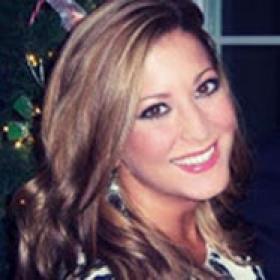
Danielle Sabo is a fourth-year doctoral student at Case Western Reserve University in Cleveland, Ohio. After receiving her Bachelor’s Degree in Health Communication from Ohio University and pursuing a Master’s in Public Health, she chose to apply her research skills towards a PhD in Medical Sociology. Danielle’s research focuses on the lived experience of eating disorders over the life course, the gendered nature of body image issues and the range of socio-cultural aspects which contribute to the maintenance and development of eating disorders over time.
In addition to her work in the sociology department, Danielle serves as the program administrator at the Flora Stone Mather Center for Women at Case Western Reserve University. Danielle is also the newly elected President of the Women in Doctoral Studies (WiDS) Graduate Organization at CWRU which seeks to develop programming specific to female graduate student needs on campus. Additionally, Danielle has been a proud and vocal member of the National Eating Disorders Association for ten years and has enjoyed serving as a volunteer and speaker for multiple NEDA conferences in the past and present. When she isn’t working or writing Danielle enjoys spending quality time with her husband and two dogs, boxing in her pink gloves or planning cross country adventures with her fellow NEDA volunteer friends.