
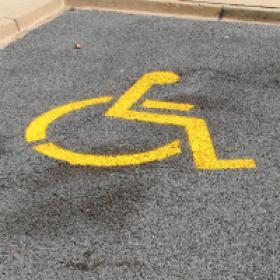
People often judge with their eyes before listening with their ears. This is why I believe invisible disabilities can be overlooked, or discounted. If you cannot see a problem, it is most likely not there, right? If someone has the perfect body, no way can they suffer from self-esteem issues. If someone isn’t incapacitated or screaming, there’s no way they could be in pain.
Trigger warning: Descriptions of eating disordered behavior.
When one thinks about the word disability, one usually thinks of a physical, readily-visible handicap. However, with body image and invisible disabilities alike, the way a person feels is anything but transparent.
All my life I have had life-threatening anaphylactic food allergies to all dairy, fish and shellfish. This limits what I can eat and where I can go. I cannot go to any restaurant that serves an abundance of fish (because my allergy is airborne), so that means when my friends have sushi night, I have to stay behind.
I have never had cake at a birthday party nor have I ever had the pizza that my boss ordered at work. The problem with my disability not being seen is that no one knows about it until I tell them, and I often have to explain over and over again how serious it is, because people just think I am trying a new “fad diet.”
This affected my body image when I was recovering from anorexia. When I didn’t take a cookie someone offered me (because I am allergic) people would respond, “Ugh, you’re so healthy, I wish I could have that restraint.” When I’ve told people I can’t have ice cream because my throat will close and I could die they’ve said, “Well, at least you won’t get fat!”
This is hard for recovery and hard for feeling good in your own skin. I wasn’t eating this way as a choice, but rather because there was no choice. The way people react sometimes even makes me feel insecure about telling them about my food allergies in the first place. Over the years, this feeling has lessened. I’ve become more comfortable with who I am outside of body image or invisible disability, because neither of these things comes close to defining me.
Often my disability is discounted, or not looked at as seriously as it should be, as I am sure is the case for many others who suffer from an invisible disability or chronic conditions that others cannot see. Though it can be hard, your inner voice will always remain your strength.
And if others discredit you, this doesn’t mean the way you feel about yourself inside should suffer too. Equip your friends and family as additional voices and educate the world that we are all struggling with something different, whether it is seen or unseen.
For recovery resources and treatment options, please visit our help and support page. If you or someone you know is struggling with an eating disorder, call ANAD’s Helpline at: (888) 375-7767 or the National Alliance of Eating Disorders Helpline at: (866) 662-1235.
If you are thinking about suicide, call or text the National Suicide Prevention Lifeline at 988. In crisis situations, text “NEDA” to 741741 to be connected with a trained volunteer from the Crisis Text Line.
Emery attends the College of New Jersey. She is a member of Sigma Kappa sorority and works as a residential assistant for freshmen.
This post originally appeared on Proud2Bme, NEDA's website for teens and young adults.