
The current movement for self-love has already changed lives. Posts featuring unedited photos and empowering messages or the efforts made by large companies to break beauty standards have installed confidence and validation in many, but is it possible that the positive reception is not the case for everyone?

My mom and I carpool to the train station every morning. I often request that we listen to music or her favorite goofy morning talk show, opposed to the morning news because more often than not, there is nothing positive to be said. While I want to be informed about what is happening in the world, there comes a certain point when the news becomes overbearing and even scary.

Saturday evenings were gym evenings.
The wind of the air conditioner beat down on my bare shoulders like rays of sun, the fluorescent light glaring above. Most of the time, I struggled to eat three meals, but didn’t want to miss out on going to brunch in the East Village with friends. I worked out constantly to compensate. Still, a nagging voice in my head told me it’s not enough.

Dr. Lesley Williams is a certified eating disorder specialist, family medicine physician, and positive body image advocate. She co-owns Liberation Center, an eating disorder treatment facility, in Phoenix, Arizona. Dr. Williams is dedicated to ensuring that all women and men who struggle with eating and body image issues receive the help that they need to overcome and live happy, healthy lives.

When people think of summer, certain words may come to mind, such as “sun,” “heat,” “beach,” “relax,” or “vacation.” While many of these words may be positive, that doesn’t mean that we can’t feel stressed or overwhelmed by the change of seasons! We’ve compiled a list of things to do or keep in mind to help you navigate the rest of this summer with A+ self-care.

Fitness culture is generally pretty exclusive: it thrives on fatphobia and the appearance ideal. There is generally an apprehension of participating in gym and fitness culture if you don’t look a certain way, but working out should give you a boost of confidence and allow you to appreciate your body for all it can do. Bevin Branlandingham has developed Fat Kid Dance Party: For All Sizes to Heal from Body Oppression, which is hosted by EVERYBODY gym in Los Angeles. Bevin’s class and this gym welcome people of all sizes, races, genders, and physical abilities.

Fiction, known to offer many an escape from reality, has also developed into a way for individuals to see themselves in literature. We are so lucky the literary world has moved beyond just entertainment to a place of identification and comfort for so many with unique experiences. In honor of National Book Lovers Day, I wanted to share a handful of books that not only may have resonated with my eating disorder, but are also prime examples of themes to be emulated in future fictitious works when tackling eating disorder recovery and/or body positivity.
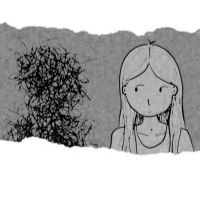
Katie Green’s book, Lighter Than My Shadow, is a graphic memoir unlike any other. It tells the story of her battle with eating disorders, abuse, and recovery in an extremely compelling manner. The striking contrast between Katie’s “cutesy” art work, raw images, and taboo topics makes for an honest portrayal of the darkness we battle in recovery, but there is a balanced sense of hope. We had the chance to sit down with Katie to discuss her work, how art was an outlet in recovery for her and what drove her to share her story through this platform.
Every August, my family takes a vacation to Cape Cod. It was something I looked forward to every year, but in the years my eating disorder was in control, I started to dread it.
Vacations are supposed to be about fun and relaxation, but for me they became a huge source of stress. Not knowing what we would be doing or eating next was a huge challenge to face without anxiety, and it took time and practice in my recovery to learn to let go and truly enjoy myself.
Here are some strategies you can try to help combat stress and negative thinking on vacation:
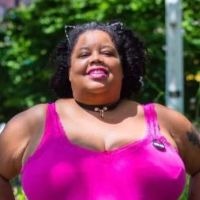
I Love My LGBT Body is a Facebook page created by Leon Silvers, an eating disorder therapist in NYC, to spread awareness of eating disorders and body image issues in the LGBT community." Silvers photographs various members of the LGBT community and interviews them about their experience with gender, sexuality, identity, body image and eating disorders.