
National Eating Disorders Association
Blog
Special Topics

We are shaped by our experiences and our perceptions. Our views of the world are defined by what we see and what we hear and the media has always played a role in that. Throughout history, the media and arguably, our immediate environment, has controlled our self-image, and in the age of technology, we are becoming increasingly aware of the negative impact of what our eyes and ears consume.
Read more >

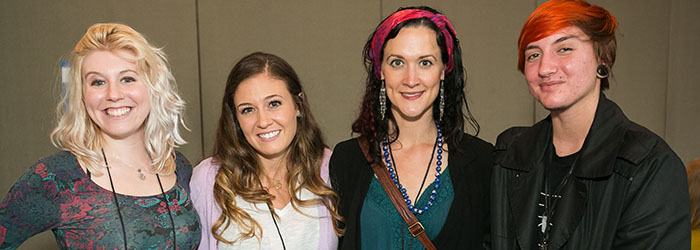
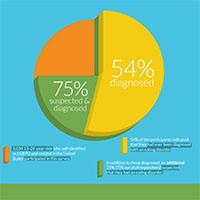
NEDA and the Trevor Project teamed up on a national survey to better understand how LGBTQ+ youth are affected by eating disorders. We found that a majority of those surveyed have been diagnosed with an eating disorder and more than 75% suspect they have an eating disorder. And, of those diagnosed with an eating disorder, 87.5% have considered suicide.

Read more >

During my teenage years, I was very confrontational. I was also very angry and embarrassed to be in my body. This anger and shame, encouraged me to yell at and hate the strangers I caught staring at me in public places. 

Read more >

Mollee Gray is an actress and dancer most recognized as Giggles in Disney films Teen Beach and Teen Beach 2 and as a finalist on season 6 of Fox’s So You Think You Can Dance. She currently tours nationwide teaching master classes and dance workshops, and serves as a celebrity ambassador for Breaking the Chains Foundation.

Read more >

My journey to diagnosis for anorexia started when I was 20. I’d had enough of feeling the way I did and being controlled by emotion and intrusive thoughts. During this time, we discovered it had started at 10 years old due to issues at school and weight-related family traits. 

Read more >

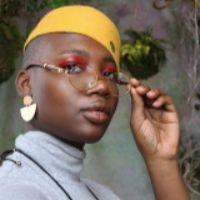
The first time I heard about eating disorders, I was in middle school. Our health class watched a film on the dangers of extreme dieting, and the implications it could have on mental and physical health. I watched intently as the film portrayed the typical narrative of a middle-class Caucasian girl who was on a dangerous path toward starvation. At the time, it was inconceivable to me that I could ever develop an eating disorder. I was just an average sized African-American girl who loved food. 

Read more >

In honor of Black History Month, we are applauding some of the incredible members of the Black community who spread positivity one Instagram post at a time. Their messages of hope and love are inspirational to all people, regardless of skin color. 

Read more >

The beginning of February also marks the beginning of Black History Month, a time to remember pivotal events and people that helped shape the Black community. The countless accomplishments of the community would not have been possible without the unwavering efforts of many persistent and courageous individuals. Here are some examples of Black community members who are continuing to work towards making the world a more equal place through their words of hope and positivity.

Read more >

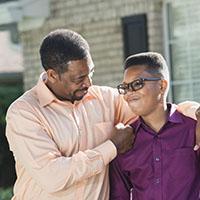
Eating disorders are often thought of as diseases that affect only young, white women; but in reality, they affect people from all demographics, including race, ethnicity, and culture. 

This Black History Month, we acknowledge how far the field still has to go in recognizing and treating eating disorders in people of color. Despite similar rates of eating disorders among all races in the United States, people of color – especially Black people – are significantly less likely to receive help for their eating issues.

Read more >

Not long ago, I was sitting in a hospital room by myself wondering how I had once again let myself end up in the situation I was in. It definitely wasn’t my first “rodeo” with anorexia nervosa. You see, I knew what was going to happen. I knew where restriction led me, yet somehow my pattern of behaviors kept repeating themselves. 

It was during this short admission that I started to question why I was still sick and why I wasn’t getting better. 

Read more >

Pages