

Equine-assisted therapy has been an emerging form of psychotherapy in recent decades. While research has demonstrated its efficacy in treating mental health diagnoses such as PTSD, autism, and mood disorders, research regarding equine-assisted therapy and eating disorders is lacking. As a therapist using the Equine-Assisted Growth and Learning Association (EAGALA) model of equine-assisted psychotherapy (EAP), I have been able to observe how aspects of the model and working with horses in general could be beneficial in the treatment of eating disorders.
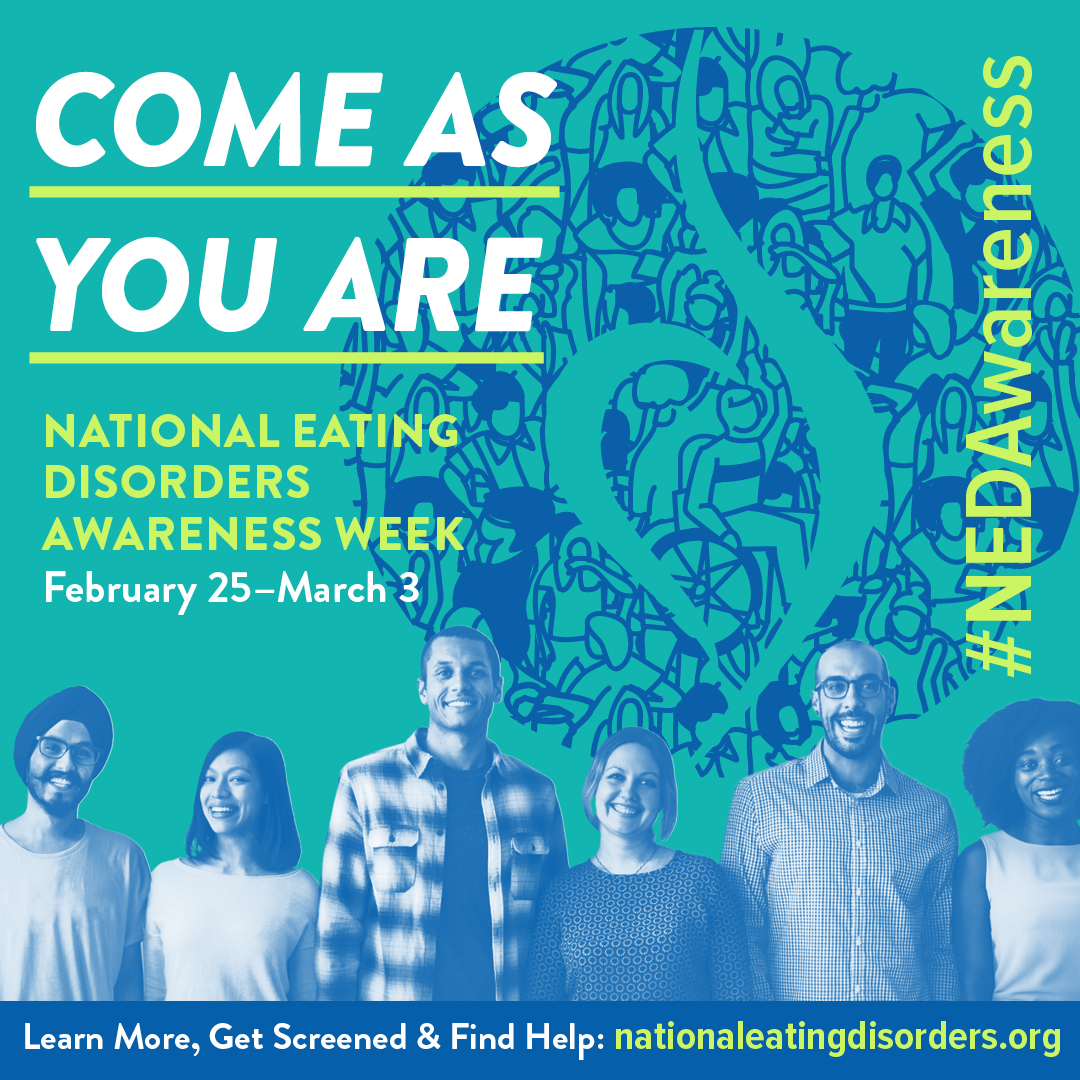
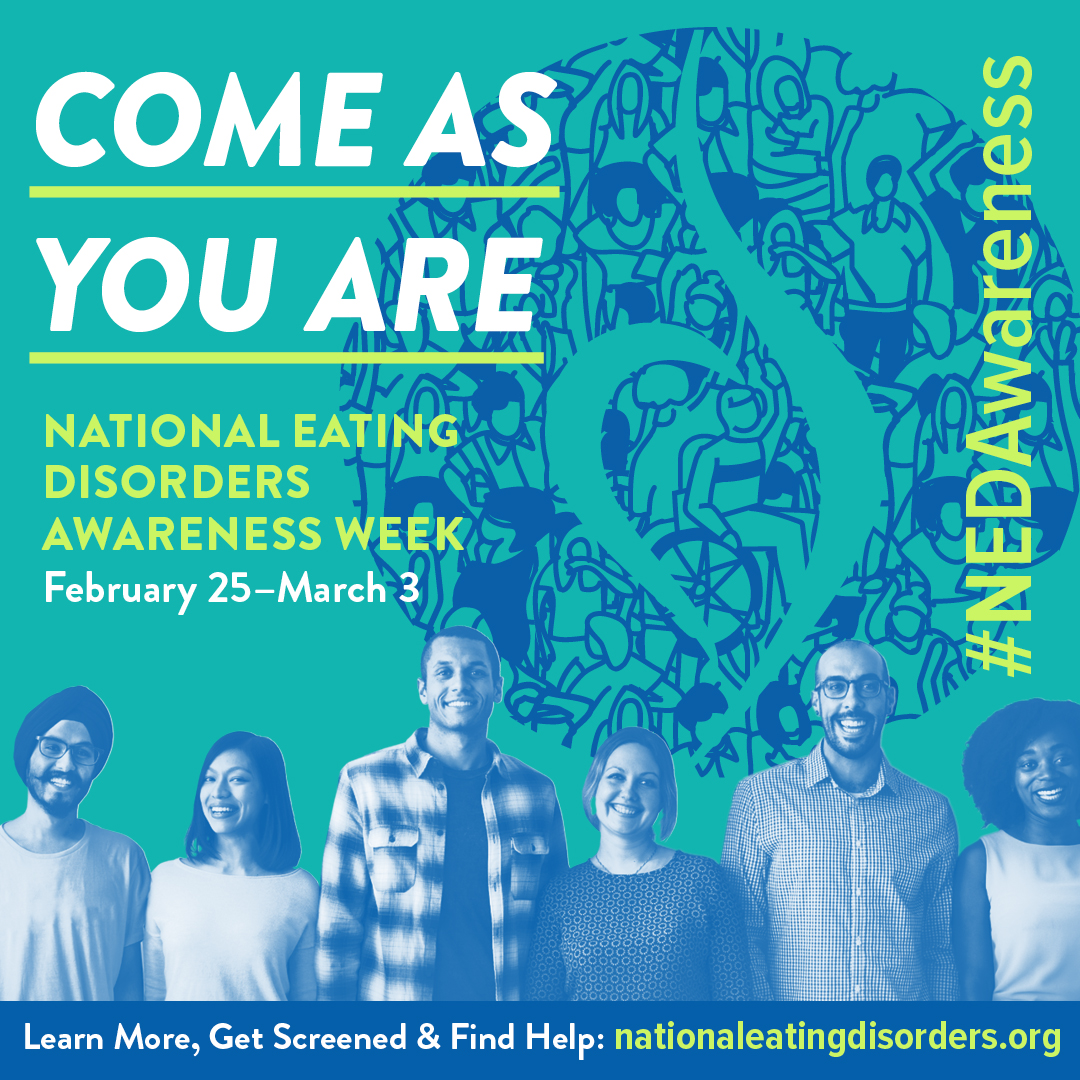
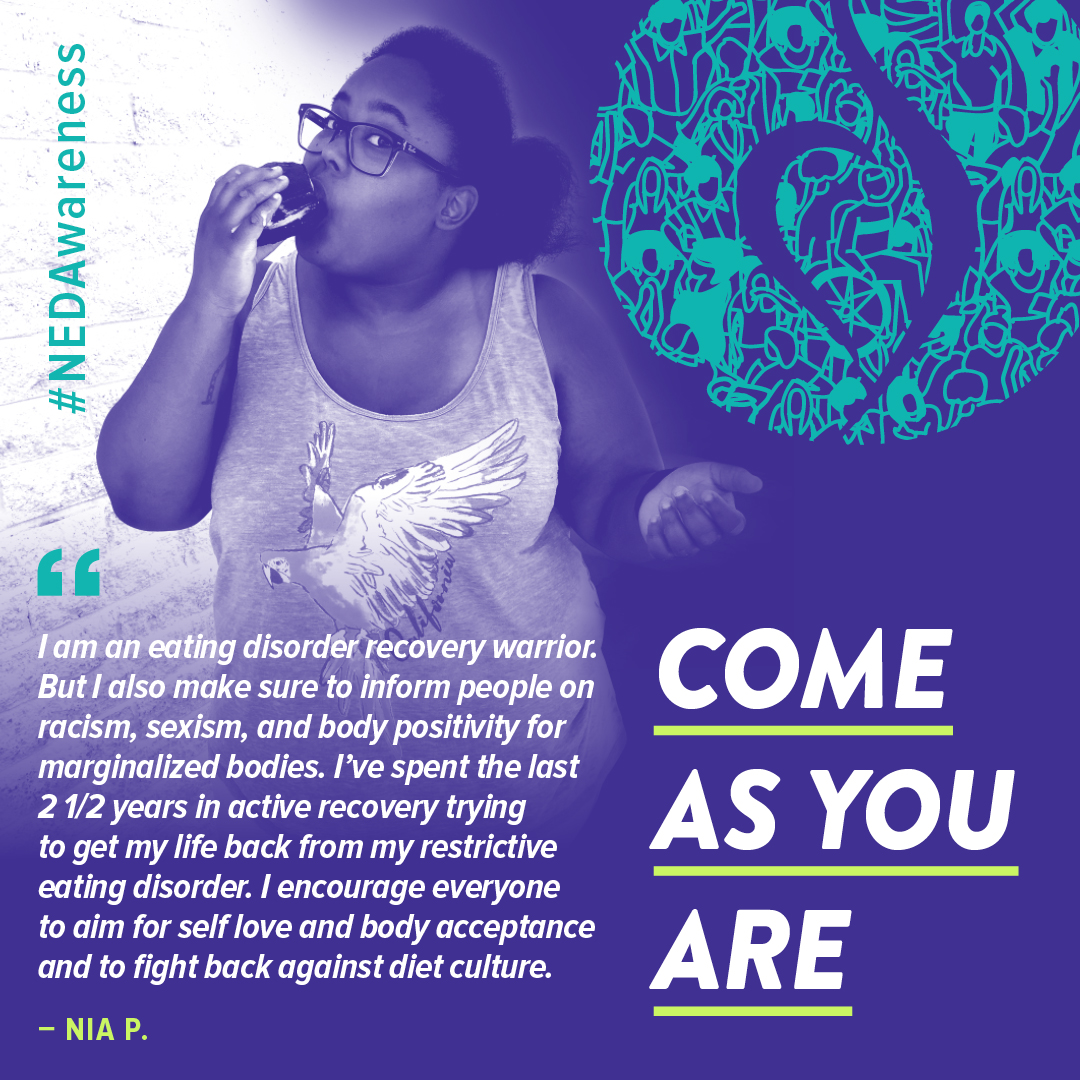
As National Eating Disorders Awareness Week (NEDAwareness Week) comes to a close, I reflect on how the 2019 theme, Come as You Are, highlights NEDA’s movement towards inclusivity in the greater eating disorders (ED) community, and the goal of unifying the ED field. In particular, Come as You Are sends a message to individuals at all stages of body acceptance and ED recovery that their stories are valid. We hope that message continues beyond this week.
When I began my recovery journey from an eating disorder 13 years ago, I had a certain set of expectations about how the recovery process would go. Healthcare professionals told me to expect several things. They reassured me that as I learned to eat a broader variety of foods that my anxiety around eating would go down. What?! They said the more I faced my fears, the more comfortable I would feel.
What does it mean to "Come as You Are?" It means to show up regardless of where you're at in life or how you're doing. It means to be authentic and to share your true self with the world. This is sometimes super scary. Or it's vulnerable. It takes work to share our true selves with the world and if we're not ready yet, that's okay too.
Recovery from binge eating disorder (BED) is a long haul. The ride is bumpy, frightening, rewarding, and ultimately incomplete, just like all human healing. As a psychotherapist, I have treated BED for over 30 years. I have worked with literally thousands of people who have tried to understand their binge behaviors, and to find some kind of peace with food and the body in which they live. While people at any size can have BED, for those with the disorder who live in bigger bodies, "successful" recovery is often assumed to include weight loss.
This week, during National Eating Disorders Awareness Week, I have contemplated a lot about my eating disorder and recovery. I had the honor and pleasure of speaking to more than 450 people over three days and at three public Iowa universities. Many discussions about access to treatment and recovery from eating disorders occurred during this trip.
The Yoga and Body Image Coalition is a 2019 Featured NEDAwareness Week Partner. YBIC’s mission is to work with all of the ways yoga and body image intersect to create greater access and dignity for all. As part of NEDAwareness Week, YBIC invited its community members to “share their stories about how the practice of yoga has played an integral role in their healing and recovery from eating disorders” for its blog. Check out these articles they are highlighting:
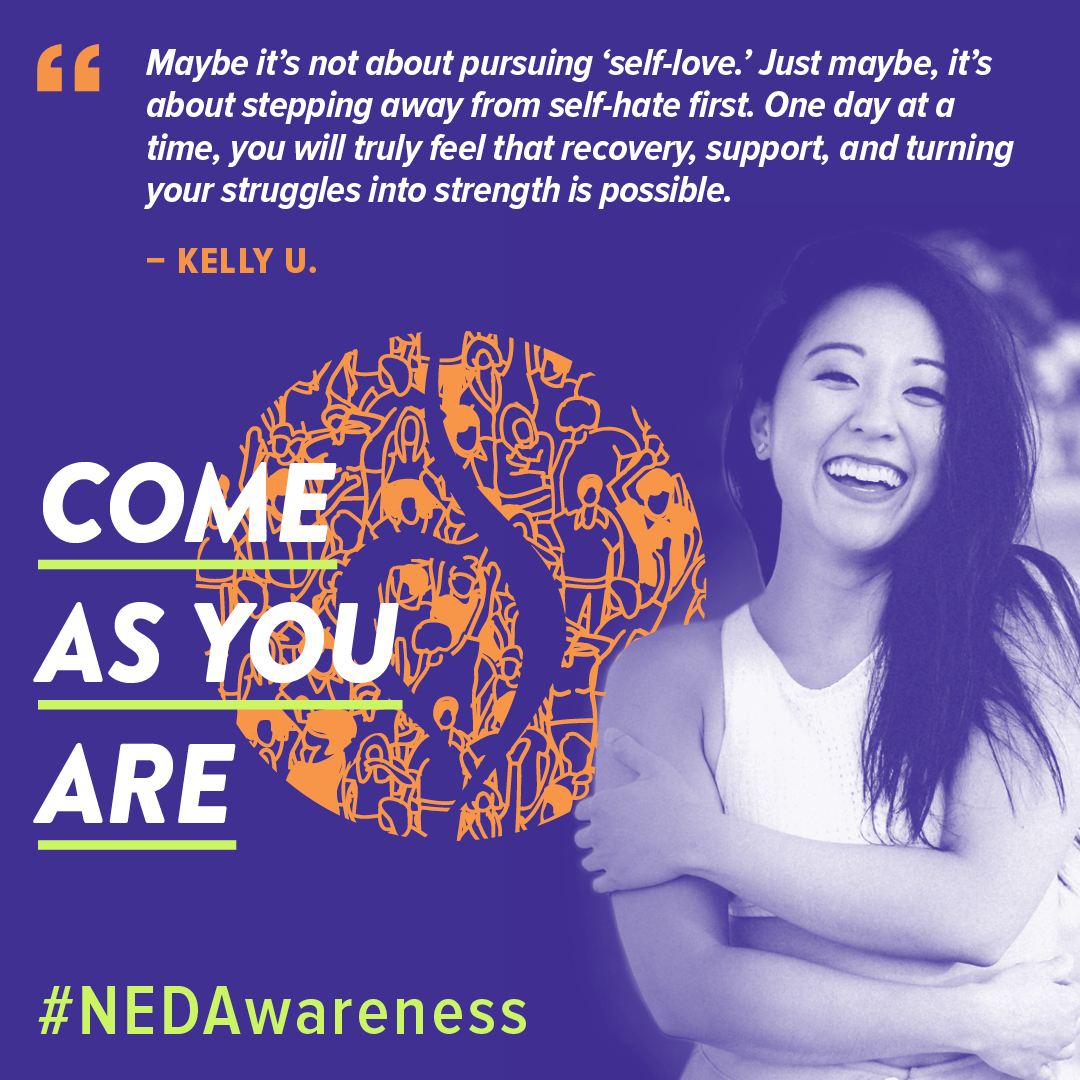
As a young girl, I never believed it was ever okay to just “come as you are.”
I became really used to wishing I was different and hoping that I could shrink my personality, my mind, and my body to a stature that would be loveable. Little did I know, I was always worthy of being loved.
Dance has been a part of my life for as long as I can remember. Even before my first dance class at three years old, I often spent my days running around my house on my tiptoes in a sparkly pink tutu and tiny ballet slippers. I used my bedside rail as a ballet barre, and I wanted nothing more than to be a ballerina.
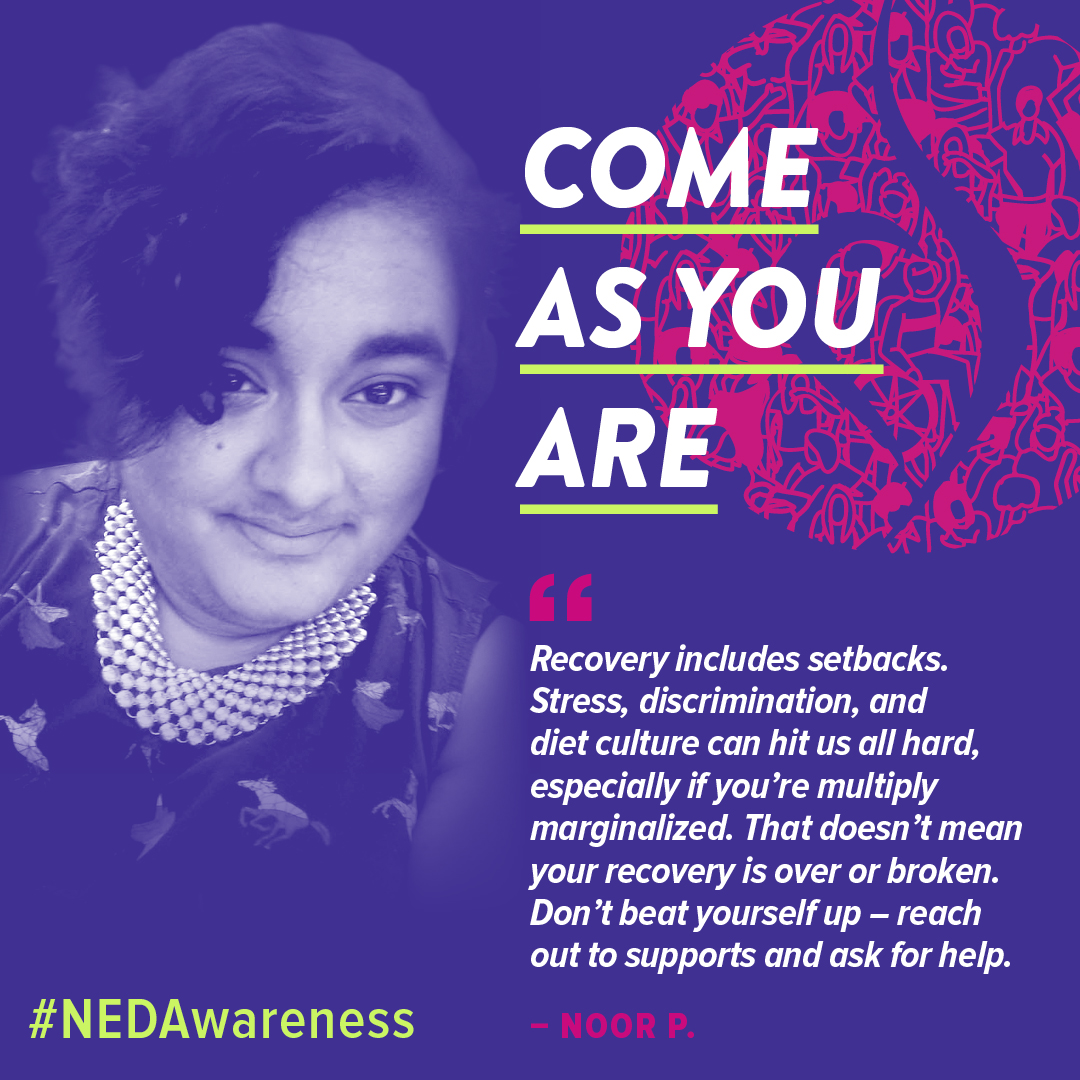
About four years ago, I came out of a doctor’s office with my first diagnosis: fibromyalgia. It was the first of a laundry list of conditions we discovered I had during the course of my eating disorder recovery. Some of my conditions were exacerbated by my eating disorder and some (such as my thyroid issues) were a direct result of it. Two years later, I found the autistic and broader disability community and began identifying as disabled.