

Why do I do karate? I’ve wanted to do a martial art since I was a kid, but my mother’s strict no-violence policy wouldn’t allow it. In college, decreased parental supervision enabled me to finally live the dream. At least, that’s what I tell people. It’s not untrue, but it’s not the whole truth either.
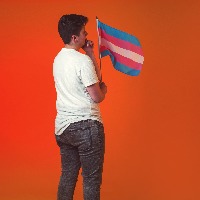
Conversations surrounding eating disorders, body image, and beauty standards are generally centered on the narratives of straight, cisgender* women. However, these conversations often exclude the experiences of many LGBT people who also struggle with body image concerns and disordered eating.
We as individuals and as a community have unique needs and concerns, and we often face a multitude of barriers in terms of accessing treatment and feeling at home in a recovery community that should include us and yet often does not.

When I first sought treatment for an eating disorder, I had no idea I was transgender.
When I tell people this, I’m usually met with incredulity. How could you not know you identified as a boy? That seems like something one usually has a pretty good handle on. In my case, I didn’t have the words to express what I was feeling internally. I didn’t know there was such a word for someone whose gender identity doesn’t agree with the gender they were assigned at birth.
The following blog post is sponsored by HealthSherpa.
20 million women and 10 million men suffer from an eating disorder at some point during their life. Eating disorders are serious but treatable illnesses that can affect anyone. In 2014, it became less challenging for someone with an eating disorder to access care.
Small waist, long legs, voluminous hair, big breasts. I was programmed to believe these were the ideal traits a girl must have to be deemed valuable. As a child, I was frequently exposed to Barbie, Victoria’s Secret advertisements and novellas —all of which repeatedly perpetuated the same beauty ideal.

It is important to have awareness of disordered eating behaviors (including dieting) because they can be precursors to eating disorders. Disordered eating may include (and is not limited to) a rigid food and exercise regime; feelings of guilt or shame when unable to maintain said regime; a preoccupation with food, body, and exercise that has an impact on quality of life; compulsive eating; compensatory measures to ‘make up for’ food consumed (i.e.: excessive exercise, food restriction, fasting, purging, and laxative or diuretic use); and weight loss supplement use.

Bullying is a harsh form of judgment. It’s painful. And the scars, whether emotional or physical, can last for years to come. Weight-based and any other form of bullying leaves the victim feeling insecure, excluded, and unsafe. Children will do whatever they can to change what's “wrong” to find safety and fit in with their peers. Oftentimes, this means unsafe, unhealthy, and/or secretive eating behaviors in an effort to soothe themselves or numb out from emotions.

I was told early on, that journaling might be a really effective tool to help me on my journey to recovery. I know from talking to so many other people who suffer with an eating disorder that I’m not the only one who has been encouraged to use writing as a way to connect to my thoughts and feelings.
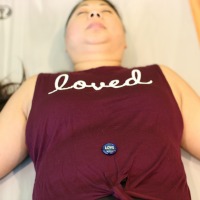
I often use the beautiful words of the poet Rumi to probe my yoga students: “Do you pay regular visits to yourself? Start now.” I follow this with the very powerful declaration of the first verse of the treatise Yoga Sutra, “Atha Yoganushasanam,” which means, “Now is the time for Yoga.”
Today is World Mental Health Day, an annual awareness and education initiative spearheaded by the World Federation for Mental Health (WFMH). This year’s campaign highlights the importance of increased mental health awareness, services, and care for young people in a changing world.