
National Eating Disorders Association
Blog

It is that time of year again: the holiday season. It is supposed to be a time of merriment and joining together of family, but for many it just winds up being a time of despair, dread, hangovers, fights, tears, and sadness.

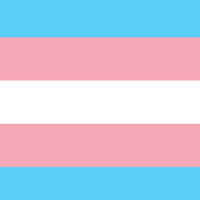
For those of us who have transitioned or are nonbinary this can also include wondering how grandma will respond when she sees you either with a new haircut, masculine or feminine clothes, sporting some sweet sideburns, or binding/enhancing your chests. 

Eating disorders are stereotypically viewed as illnesses that plague young, upper-class, white females. This idea is perpetuated by a variety of factors, including the media, and prevents other people with eating disorders from seeking or receiving the help they need and deserve. While the research into males with eating disorders has recently begun to gain traction, many other groups are still being dismissed. One of those groups is gender nonconforming people. 

I’ve been in recovery for my eating disorder for eight, going on nine years now.

When I typed that sentence while brainstorming for this blog post, I first felt a sense of intense pride in myself and how far I’ve come from the scared, 18-year-old girl who entered treatment those many years ago to a confident transgender man.

In our work as a public health researcher (Allegra) and clinician (Carly), we have been excited to see growing interest in improving care for transgender and non-binary patients within the eating disorders field. Below we offer some lessons we have learned and suggestions for steps eating disorders professionals can take to begin to provide better care for transgender and non-binary patients and clients. 

Leon Silvers is a psychotherapist, founder, and director of Silvers Psychotherapy, a group therapy practice in NYC. He specializes in working with clients with eating disorders, substance abuse, trauma, and LGBT issues.

It’s Transgender Awareness Week, a time meant to raise visibility and acceptance for transgender and gender non-conforming people. As one of the most marginalized groups in America today, transgender people are often denied access to basic human needs like employment, housing, public restroom access, and medical care. 

Last night, I had the privilege of attending “Gender and Sexuality in the Doctor’s Office: LGBTQ Experiences of Healthcare Across Contexts,” a visiting scholar lecture at CLAGS by Emily Allen Paine, a doctoral candidate in the Department of Sociology at The University of Texas at Austin. Many of us are aware that health disparities exist in the LGBTQ+ community. But what causes these health disparities?

When my friend, Lily Stav Gildor, and I realized that we weren’t aware of any podcasts that specifically focus on discussing mental illness with people our age (18-35), we decided to take matters into our own hands.

Last month, we launched our podcast called  Mental Health Hangouts, where we interview millennials about their experiences with mental health treatment, mental illness, addiction, etc. 

It’s no secret that advertisers are not always the most reliable when it comes to portraying realistic bodies. However, sometimes a company does get it right and launches a campaign centered on ensuring that very thing happens.

Women are taught to not be seen. It’s still considered a shameful thing in our society for our natural, naked bodies to be on display. In fact, the general public is so disconnected from real bodies that seeing one can cause shock and inspire heaps of criticism. 

Pages