

People often assume that dance training is at odds with the ideals of body positivity. I can understand why – at the professional level, dance has a longstanding reputation of requiring a very narrow ideal body shape and size and dance class can often focus on physical shortcomings. That said, I am a dance teacher, and I believe in the power of body positivity. I believe in its power to inspire young people and to train better, stronger dancers.

Eating disorders disproportionately affect members of the LGBTQ+ community and bullying can serve as one factor in the development of an eating disorder. As a whole, LGBTQ+ young people are more likely to experience bullying at school, sexual harassment, cyberbullying, and property damage.

The value of relationships cannot be understated. The relationship the patient has with their bodies and their health care providers are two of the most crucial. So many have felt isolated and ashamed and being able to step into a truly "judgment-free zone" with a provider can be life changing. When a patient leaves the office with an inclusive, engaging care plan, there is a visible lightness about them! With that lightness comes long-term positive changes in health.
Here are four ways that you, as a provider, can create a safe space for patients:

On October 9, NEDA surveyed over 333 people about how accurately they felt the media portrayed people’s bodies. Of these people, 68% of respondents chose “Very inaccurately,” 24% chose “Fairly inaccurately,” 7% chose “Fairly accurately,” and 1% chose “Very accurately.”

Everyone has something good inside. Some hide it, some neglect it, but it is there. -Mother Teresa
I still think "self confidence" is one of the most important life skills. Self confidence means that I know my worth and innate goodness even if I've disappointed myself or others. And even if genetics, culture, personal experiences, and environment test me, I'll focus on being good to my self because it matters.
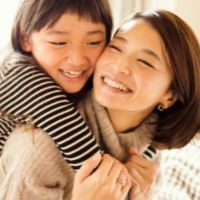
I will never forget when, as a young teen, I was told by my mother’s friend, “You have legs just like your dad’s.” Many decades later I can still hear her voice and feel the sting and confusion her comment stirred in me.

Today is Body Confidence Day, a time to honor our unique and amazing bodies and selves! We'll be celebrating on Twitter with a #NEDAchat on body positivity, diverse role models, and self-care techniques. Aerie model Iskra Lawrence, singer/songwriter Matthew Koma, and our other panelists will share personal experiences, helpful tips, and resources for support.
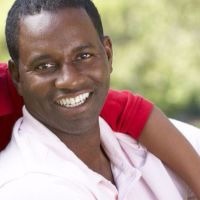
When I was deeply suffering from my eating disorder, I hated my body. I abused it. Worst of all, I separated myself from it. My mind became one entity and my body became another. To my mind, my body seldom did anything right.
Since entering recovery, I have had to learn how to care for my body, how to nourish it, and how to appreciate it. But most importantly, I have had to accept that I am my body and my body is me. I will never be able to separate from my body, nor should I want to. When I hurt my body, I am hurting myself.

When casual viewers think of horror, images of scantily-clad women and problematic depictions of institutionalized people typically come to mind. And while there is no shortage of “naked-promiscuous-woman-is-slaughtered-while-nice-guy-flees-deranged-killer” horror flicks out there, a growing number of horror films are offering empowering messages and thought-provoking cultural critiques to viewers.
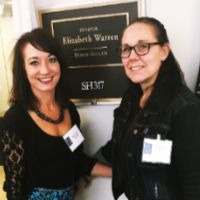
Twice a year, advocates come together in Washington, D.C. to influence federal policy, push for change, and educate representatives of Congress about those affected by eating disorders. NEDA has served as a collaborative partner with the Eating Disorders Coalition (EDC) on these efforts throughout 2017.
On October 5th, I along with many other advocates shared our own personal journeys and the impact eating disorders have had on our lives. On that day, we represented the voices of the 30 million Americans who suffer from an eating disorder.