

This summer, I started working a part-time job as a grocery store cashier. Every day on the job, without fail, I face the same scenario: a customer places an item on the conveyer belt that some may consider a comfort food.

While it feels like we were just relishing the start of fall, those telltale signs – red coffee cups, twinkling lights – signify yet another shift: the holidays are here. This time can be full of challenges for those struggling with an eating disorder: food-focused get-togethers, routine social gatherings, and unpredictable schedules. It is perfectly normal for all of us to feel extra stressed-out during this time of year.

Can we really be thankful and present on Thanksgiving? When someone is struggling with, or recovering from, an eating disorder, this may be a challenging task. Thanksgiving, as its name suggests, is a time to look around and see all that we are grateful for. Often, we are too consumed by the presence of food, the fear of eating, and the focus on our bodies to appreciate anything.

Hello, everyone! Self-care has been a major theme across the web these past few weeks and the topic doesn’t show any signs of stopping as we delve into this week's eye-catching news headlines.
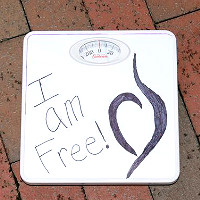
The modern-day term ‘body mass index (BMI)’ was first established in a medical paper published in 1972, as a “relative weight index of general obesity. ” Since then, healthcare professionals have used it as a tool to categorize individuals as underweight, normal weight, overweight or obese based on the amount of tissue mass (muscle, fat and bone) the individual possesses.
Recently, many groups and individuals have been fighting against the use of BMI as a screening tool, particularly as it has become more commonly used in the school system.

If any of you haven’t already watched Great Big Story’s video about American circus artist Kayla Dyches, “How the Circus Saved My Life,” then you need to go watch it right now! In this inspiring and unique video, Kayla talks about her struggles with anorexia and how her passion for aerial continues to pull her away from her eating disorder. Kayla’s story is one that is simultaneously relatable, empowering, compelling, and unique.

You’re waiting in line at the supermarket check-out when you’re greeted by the glossy, airbrushed, Photoshopped likeness of your favorite celebrity. Those tanned, lean legs and those sculpted cheekbones staring back at you seem to burrow into your soul. You begin to second-guess the items in your shopping basket as thoughts of food and body image trample through your headspace.
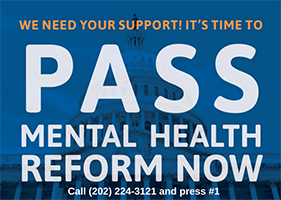
It has been a historic year for eating disorders advocacy at the federal level. When the Helping Families in Mental Health Crisis Act (H.R. 2646) passed the House in July, it was a monumental stride for those struggling with eating disorders, their loved ones and the health professionals working to help them recover, as it was the first time a bill of its kind had passed at the federal level. However, we are not done yet! The bill’s counterpart in the Senate, The Mental Health Reform Act (S.2680) still needs to pass this year, and we need your voices to help bring it to the finish line!

The presidential election took place this past Tuesday, stirring up a lot of conflict and difficult emotions for many Americans. As the week moves forward and initial reactions wind down, self-care should still be at the forefront of our minds as we continue to cope with the results of the election.

Catch them, challenge them, change them. Get used to this phrase; it is the seed of hope that must be planted in both you and your child’s minds for ANY chance of long-term success.