
I was five when a relative explained to me how babies were made. If a couple prayed about it, she said, presto! The proverbial bun in the oven. Throughout the rest of kindergarten, I feared that God would confuse any infant related thought I had with prayer and insert a wee one in me. For years, my “privates” were areas “down there” no one spoke of, and sexuality was an enigmatic, hush-hush topic reserved for moms and dads. Not until taking a college sexuality course in my early twenties did I truly grasp the details of my sexual anatomy and just how valuable such understanding is.

Today, I would recognize the signs: the 11 year old girl in the sixth grade class spending her entire recess and lunch-break running in the schoolyard and doing circuits in the gym; every day, exercising more; the same girl continuing to get top marks with her school work, always punctual, eager to please, but becoming withdrawn; her bubbly personality disappearing; she is not eating her lunch – she offers it to her playmates. She keeps only the apple and eats this very, very slowly, one nibble at a time.
For many Americans, the Fourth of July brings thoughts of fireworks, family togetherness, sumptuous barbecue feasts and fresh lemonade. If you’re one of the millions of individuals who struggle with disordered eating or an eating disorder, however, celebrating may be the furthest thing from your mind.
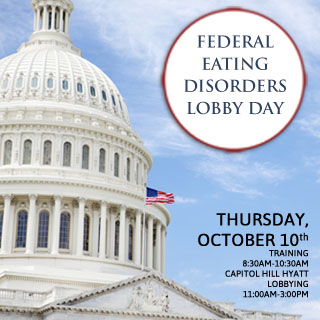
This year, thanks to the help of NEDA’s dedicated STAR Program Volunteer Advocates, important bills have passed in states across the country!
Opening an entire blank book can be as intimidating as opening the door to a new therapist. “Free writing,” which is writing in stream of consciousness, flowing with whatever comes to mind, can be a revealing technique. But its limitlessness has disadvantages. It can unearth scary memories or thoughts that harm rather than help. I've used Short Lists and Clusters to give myself structure, containment, and safety. They guide me effortlessly onto the page.
SHORT LISTS

“I believe that what we become depends on what our fathers teach us at odd moments, when they aren't trying to teach us. We are formed by little scraps of wisdom.” — Umberto Eco, Foucault’s Pendulum
Since I began speaking publicly about my personal eating disorder battle, I’ve encountered many individuals enduring similar challenges. One of the first was a man whose 22-year-old daughter, Katherine, was severely ill with anorexia. “She won’t eat,” he wrote me in an email. “Her mother and I feel helpless.”
“I’m so tired of this!!!” my mom screamed, then started sobbing uncontrollably. It’s the only time I’ve seen her do that, and it will probably haunt me for the rest of my life.
I was about sixteen years old. It was a weekend no different than any other, when my mom opened the fridge for an afternoon snack and yet again saw the result of my behaviors.
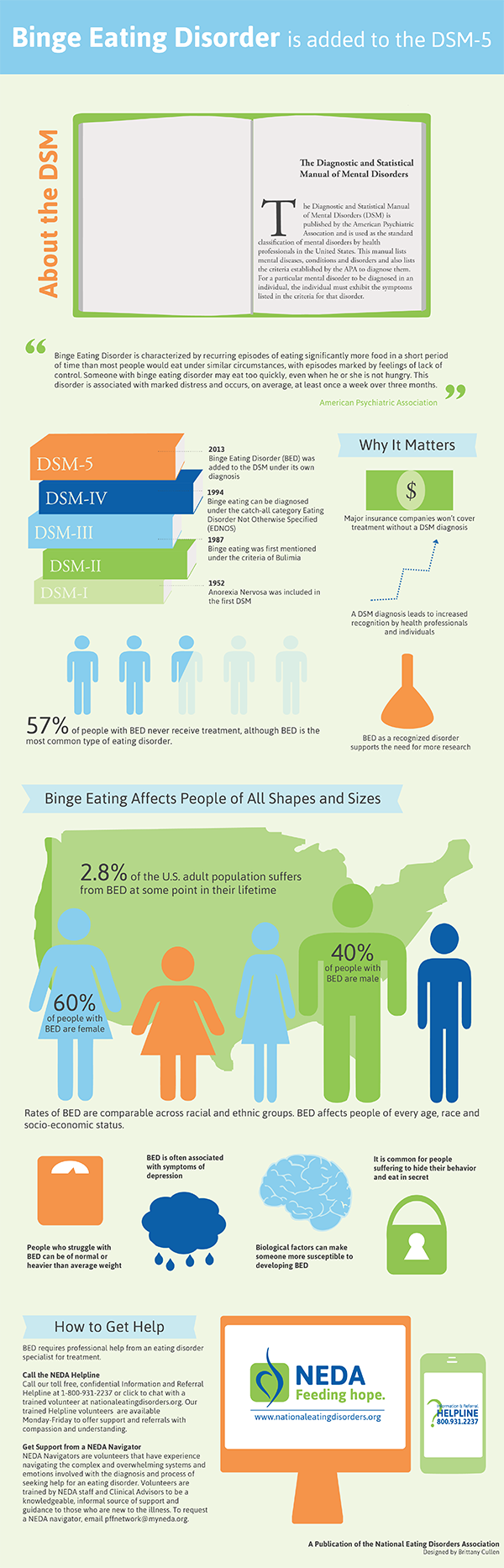
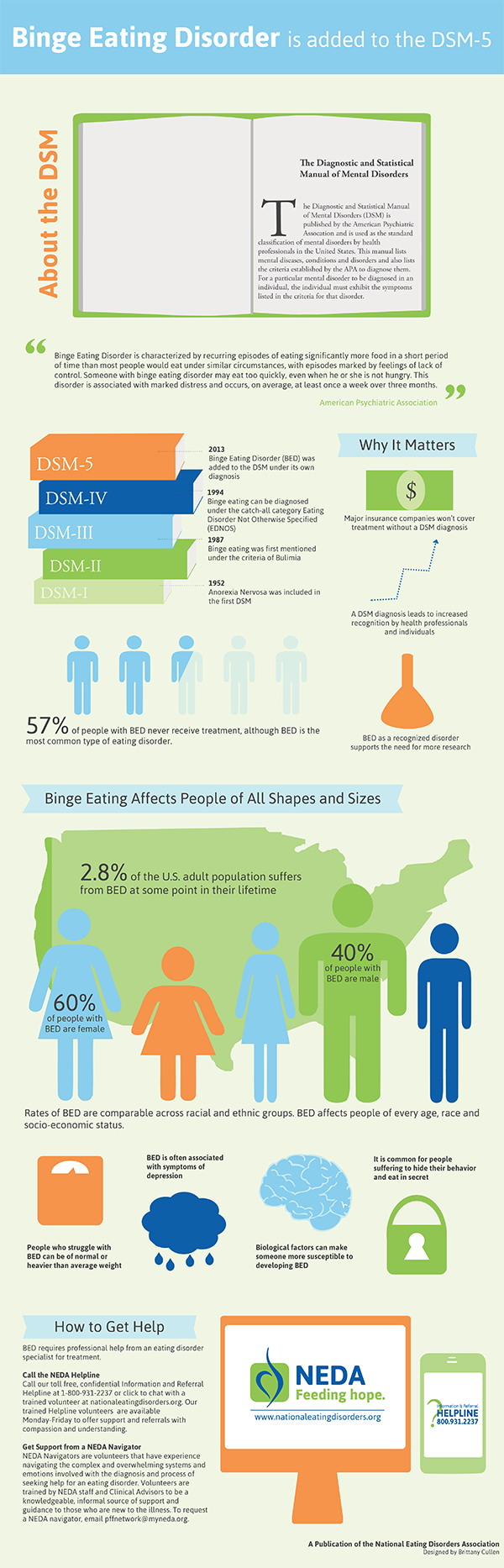
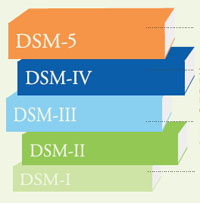
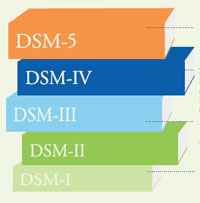 For people with out-of-control eating issues, the publication of the new DSM-V is nothing short of a triumph. Why? Binge Eating Disorder (BED) has finally gotten its own diagnosis code identifying it as a mental health issue separate from other EDs like anorexia and bulimia.
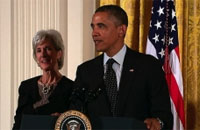
NEDA applauds President Obama for his speech at the National Conference on Mental Health on Monday, June 3rd, which emphasized the importance of increasing awareness and understanding about mental health issues. Specifically, the speech tackled three points central to the conversation surrounding mental health in the United States: reducing stigma, access to care, and the real possibility of recovery.