

To an athlete, an injury or illness, change in coach, or retirement from sport may feel like a traumatic event. These are three factors in which the athlete has the potential to go off the grid from their usual support systems: teammates, coaches, athletic trainers, or strength coaches.
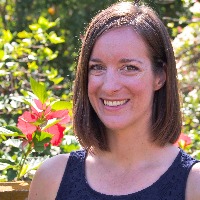
In the grocery store checkout line in suburban Orange County, Calif., my mom looked at me and said, “watermelon.”
It was our code word for “stand up straight.” I was a preteen, taller than all my friends, and was constantly slouching. The reminder was so constant my mom decided a code word would make it less embarrassing to hear in public.
Each time I would heed my mom’s advice and stand up straight, I would instinctively look down at my chest, where my breasts were just beginning to take shape.
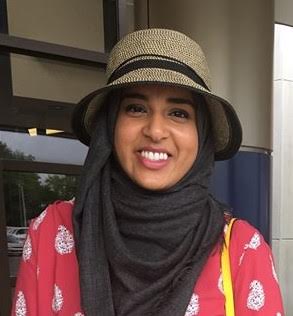
When I first started writing this post, my intention was to highlight how eating disorders affect the Muslim community in ways that differ from people of other faiths (or no faith). However, the more I looked into it and the more I thought about what I’ve been through, I realized that I would be doing you, the reader, a disservice. Instead, I want to delve deeper into the Muslim community (a rare occurrence in this context) and explain how Muslims deal with facets of eating disorders that we don't think that they do.

Hello, my NEDA friends! My name is Jada Michael and I’m a 19-year-old singer/songwriter from Miami, Florida. I am honored to be able to participate in National Eating Disorders Awareness Week (NEDAwareness) and be a part of an amazing organization that is changing lives and addressing weight stigma, a toxic influence that perpetuates eating disorders and lowers self-esteem.

The #MeToo movement—originally started by social activist Tarana Burke in the 1990s—was the story of 2017. Fueled by a moment in which women were coming forward to tell their stories of assault and abuse by men in power—and seeing those same men lose decades-long careers as a result—a door opened, seemingly overnight, for people to tell their own stories of assault and harassment. Finally, a light was shining on the pervasiveness of this issue.

Gloria Lucas is a self-described “chubby warrior, DIY punx educator, and eating disorder survivor” dedicated to increasing the representation within the body positive and eating disorder community. After struggling with her own eating disorder, Gloria felt the impact of cultural differences with the difficulty she felt about speaking out. Now, she hopes to fulfill her mission with Nalgona Positivity Pride, an organization that centers the diverse backgrounds of community members and gives back to her own community.

In countrywide recognition of the need for research, prevention programs, and treatment options for the 30 million Americans who will experience an eating disorder, the United States Senate has passed Senate Resolution 419, officially designating Feb. 26 – March 4 National Eating Disorders Awareness Week (NEDAwareness Week) for the first time.

We are shaped by our experiences and our perceptions. Our views of the world are defined by what we see and what we hear and the media has always played a role in that. Throughout history, the media and arguably, our immediate environment, has controlled our self-image, and in the age of technology, we are becoming increasingly aware of the negative impact of what our eyes and ears consume.
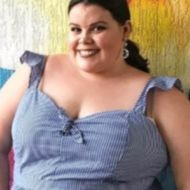
When I started @iamdaniadriana five years ago, I never thought that I would amass nearly 100,000 followers on Instagram. My dream when I started @iamdaniadriana was to give a voice to those who have felt marginalized from the eating disorder community, people who have felt let down or ignored in the past as they didn’t fit the “typical” look of someone with an eating disorder.
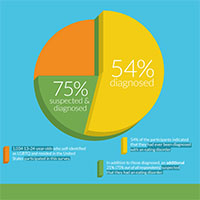
NEDA and the Trevor Project teamed up on a national survey to better understand how LGBTQ+ youth are affected by eating disorders. We found that a majority of those surveyed have been diagnosed with an eating disorder and more than 75% suspect they have an eating disorder. And, of those diagnosed with an eating disorder, 87.5% have considered suicide.