


During my teenage years, I was very confrontational. I was also very angry and embarrassed to be in my body. This anger and shame, encouraged me to yell at and hate the strangers I caught staring at me in public places.

Waking up at 2am thinking about food. Surfing the internet at work, looking up new recipes when you have a deadline coming up. Planning and stopping at fast food restaurants between every meal.
This isn’t a buildup to a funny meme about loving food. This was my life until I was diagnosed with binge eating disorder (BED) at 28 years old.

Mike Marjama currently has a successful career as an American baseball catcher for the Seattle Mariners, but he once struggled with an eating disorder that threatened his ability to play the sport he loves. As a teen, Marjama attended Granite Bay High School in California and later played baseball for California State University. While in high school, Marjama developed an eating disorder that eventually led to inpatient treatment.

Mollee Gray is an actress and dancer most recognized as Giggles in Disney films Teen Beach and Teen Beach 2 and as a finalist on season 6 of Fox’s So You Think You Can Dance. She currently tours nationwide teaching master classes and dance workshops, and serves as a celebrity ambassador for Breaking the Chains Foundation.
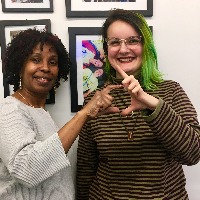
This week marks National Eating Disorders Awareness Week (#NEDAwareness)! This year, NEDA is running an Instagram campaign to inspire people to speak out and share their stories along with the NEDA recovery symbol. By participating in this campaign, you can help show others that we are all connected and that our voices can create real change.

Happy National Eating Disorders Awareness Week (#NEDAwareness), folks! We all know that our culture has complicated relationships with food, exercise, and appearance. This year, our theme is Let's Get Real and our goal is to expand the conversation and highlight stories we don't often hear.

I began my career as a psychotherapist when I was 24 years old. I was not yet a year out of graduate school. I was eager, ambitious, and ready to start this next chapter in my life. And like many social work graduates, I had grand plans to save the world.
I knew I wanted to focus on eating disorders treatment, which was born out of my own struggle with bulimia, but at that time, it felt too soon out of my own recovery, and honestly, I felt too wet behind the ears as a clinician, so eating disorder treatment needed to take a back seat.

As we all know, attending college can be a pain, but attending college with an eating disorder? Don’t even get me started. I struggled with anorexia and bulimia for years and went through treatment. I thought my journey through treatment would be the hardest thing I'd ever go through, but boy was I wrong.

I know how anorexia makes you feel. You think she is your best friend; you think she can solve everything. She holds you in the night when you feel alone. She walks down the road with you reassuring you that you are valued. She teaches you how to miss meals and you become a team. A team with a unique bond that no one can break. A team that you believe will lead to an amazing life. A team that completes you. But no – the team will fail!

My journey to diagnosis for anorexia started when I was 20. I’d had enough of feeling the way I did and being controlled by emotion and intrusive thoughts. During this time, we discovered it had started at 10 years old due to issues at school and weight-related family traits.