

My inspiration for this poem came from a variety of sources. First and foremost, to educate others on how eating habits and body image perspectives can start from a very young age. Most people tend to forget that the mind is constantly shaping and changing itself year after year. Yes, this even means it’s developing for a five-year-old. The surrounding environment and role models that children place themselves with are very important to a long lasting healthy lifestyle as they grow.

Not long ago, I was sitting in a hospital room by myself wondering how I had once again let myself end up in the situation I was in. It definitely wasn’t my first “rodeo” with anorexia nervosa. You see, I knew what was going to happen. I knew where restriction led me, yet somehow my pattern of behaviors kept repeating themselves.
It was during this short admission that I started to question why I was still sick and why I wasn’t getting better.

Whether the kitchen is familiar territory or unmarked terrain, this space may be a minefield for someone in recovery from an eating disorder. While cooking may be challenging, the results go far beyond the dinner plate; empower your recovery and make some yummy food on the way with these five restorative reasons to cook through your recovery!
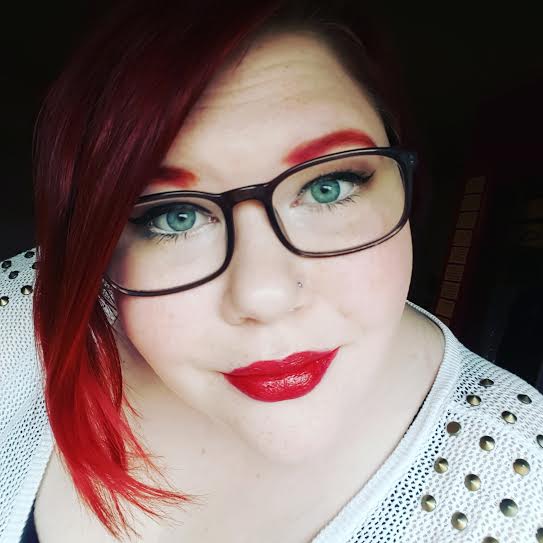
I was first diagnosed with an eating disorder in 2013 when I was 19, but my deadly eating disorder and terrifying habits had begun long before then. They started when I was 14 and progressed for five years until I was so deep in my eating disorder that I didn’t know how to get out.
Throughout my life I have been bigger than my peers, and that seemed to be a constant topic among everyone in my life: the bullies, family, and friends. However, no one acknowledged that my unhealthy eating habits were symptoms of a larger problem.

I study languages. I grew up speaking English and Korean at home, and now I’m fluent in Modern Standard Arabic with the ultimate goal of teaching Arabic to native English speakers. World peace requires a bridge between languages to be formed so that people can understand each other.
There is, however, one language I do not and will never understand. It’s when people comment on other peoples bodies and physical appearances.

When I came forward for help with my eating disorder, I was given incredible support from concerned friends and family, as well as a dedicated team of professionals on my college campus ready to set me on a path towards recovery. It felt as though all these hands were being extended out to hold me up and keep me steady as I wandered into what would no doubt prove to be difficult terrain.

When my daughter was a toddler, she was what we considered a “picky eater.” As she got older and her picky eating habits got more severe, we began to seriously worry. She didn’t just clamp her mouth shut or shake her head “no” when new foods were set out for dinner. She would gag or choke if she tried anything new. Meals became a battle, with us trying to get her to eat something healthy, and her continuing to refuse.
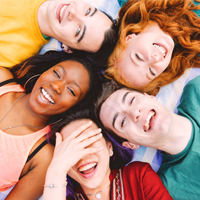
This week marks GLSEN’s No Name-Calling Week, a week organized by educators and students to put a stop to name-calling and bullying in schools. Being teased or bullied about weight is emerging as a risk factor in many eating disorders. Additionally, LGBTQ+ individuals are at higher risk of eating disorders due to stigma, discrimination, and body image distress.
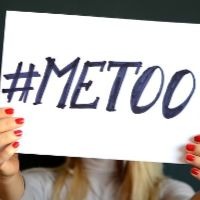
The year 2017 has been an uphill battle for women, and a year of liberation. Numerous people have asked me how I feel about the #MeToo movement being a person who could say, "me too." In 2015, I released my first book, CONTROLLED, a memoir which details my own sexual assault and its aftermath. Through my book I outline what occurred after my assault, a legal case I never wanted and a battle against anorexia to cope with PTSD.
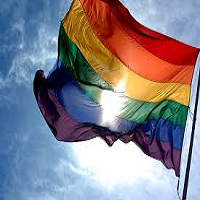
At NEDA, we know that eating disorders don’t discriminate against gender, sexuality, class, race, or physical ability. We also know how important it is to hear from a variety of individuals in the eating disorder and recovery community, which is why we have partnered with The Trevor Project on a survey designed to give a voice to young LGBTQ+ people. The Trevor Project is a leading non-profit focused on crisis intervention and suicide prevention among LGBTQ+ youth.