

A few years back, I read The Paris Wife, a fictionalized account of Hadley Richardson’s marriage to the famous American author Ernest Hemingway, by Paula McClain. I’ve been in love with Paris ever since visiting that magical city for the first and only time (so far) in 2010. Admittedly, I was much more interested in reading about Paris than Hadley or Hemingway. This book offered me an escape to the beauty, charm, and poetic existence I imagine of Paris. Never did I expect, however, to find the essence of what would become my personal “Recovery Call to Action.”

Eating disorders have the highest mortality rate of any mental illness, yet are among the lowest funded. As a community, we need to fight to change this. According to the NIH, research funding for eating disorders is limited to .93 cents per person affected. Further resources for eating disorder research are needed to help identify strategies to prevent and cure these complex and serious mental illnesses.
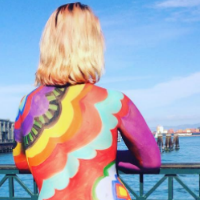
In kindergarten, my mother helped me put together an elaborate project about butterflies. When my turn arrived to present to the class, I cowered behind my teacher, absolutely terrified of the dozens of pairs of eyes on me. This pattern continued throughout school—even during my college years. I was so afraid of my perceived flaws that I kept my ideas to myself and starved my body in the futile quest of achieving perfection.
Many Autistic people have openly shared their struggles with body image and eating disorders (take a look at our Autism Acceptance Month #NEDAchat recap for reference), but their unique issues around food still tend to be misunderstood or outright dismissed by professionals.

I was first diagnosed with anorexia nervosa when I was 12 years old. It was 1996, and I had never heard of the term in my life, as eating disorders were not discussed anywhere near as often as they are now, and it was before the explosion of the internet, social media, etc. When the doctor told me I had anorexia, I had to ask what it was – I thought it was cancer or something!

Sexual violence advocacy is a world of two-sided realities. Survivors often share that they have mixed feelings in the aftermath and healing process. Some examples of these binary realities include:
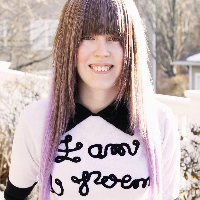
As a teenager, I’d often be in a group with other girls when the subject of our bodies would come up. My friends traded anecdotes on which aspects of their body they loved least, and what was wrong with them. Because I didn’t chime in, most people assumed I had fantastic self-confidence.
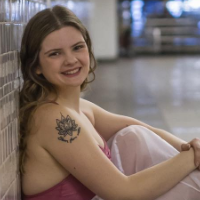
Colleen Werner, a professional ballerina in New York City, first got involved with dance when she was only three years old. Today, after overcoming body hatred and an eating disorder, Werner hopes to inspire others to stand up to an industry that pressures dancers to meet often-impossible body standards. The creator of #BopoBallerina, Werner has inspired other dancers to unite and share their stories.

When I was still living with the shame, secrecy, and fear surrounding my history with binge eating disorder (BED), I never could have imagined sitting across from anyone—let alone my Congressman—to share my story.
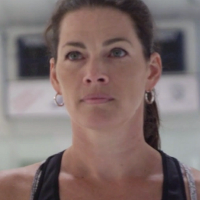
Something I’ve always stated in my talks and workshops is that eating disorders thrive in secrecy. This rang true for me during my eating disorder and through recovery. If someone cannot talk about their eating disorder or share how they’re feeling, then how can they get better?