

When I was younger, I knew I was different from other people. I never understood why, and this led me to try to amend myself to “fit in.” I mirrored appropriate reactions and behaviors and ended up trying to “look like” everybody else. I changed my appearance in ways involving weight and style, becoming obsessed to a level where I made myself sick, counted calories extensively, and exhibited restrictive behaviors.

A recurring theme of this season’s fashion shows and reviews has been the inclusion of “plus-size” models like Ashley Graham and Candice Huffine, who walked Michael Kors and Prabal Gurung respectively. Inasmuch as it signifies a positive change within the fashion industry, I think we need to think deeper about it before getting too excited.

We’re working hard to get more money allocated for eating disorders research, but we need your help.
A letter asking for $10 million in funding is circulating around the House of Representatives right now and we need to get YOUR representative's name on it by the end of the day on Friday, March 31.

Our family has a son with an eating disorder. He’s had it since the age of three, and his condition has not really changed. We found out by accident that he had a food allergy to peanuts (and tree nuts), which happened even earlier than the eating disorder. Certainly, having a food allergy makes the cautiousness around foods - especially "new foods" - even more present.

NEDAwareness Week 2017 had a great turnout! This year, 68 colleges and universities signed on as official partners and many more hosted events and posted to social media. Around the country, students, faculty, and staff shared the online screening tool, organized panel discussions, and provided information and resources to their communities.
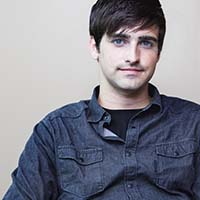
There are a variety of myths surrounding eating disorders—myths that can make people unaware of the seriousness of the disease or even prevent people from reaching out for help.
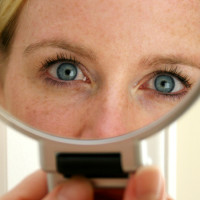
Once a year, the grocery store checkout magazines come out with their “Half my Size!” issue, featuring people who have dropped a significant amount of weight. They stand in one leg of their old jeans or flex in trendy athletic wear, smiling like “happily ever after” has finally arrived for them.

When people hear that I have an eating disorder, they usually don’t know what to say. It’s awkward on both ends, I’m sure. I sometimes feel the need to apologize for making the other person uncomfortable. It doesn’t have to feel that way. When ED patients share this detail of their life with another person, they usually aren’t expecting sympathy or compliments, so you do not have to feel obliged to give them.
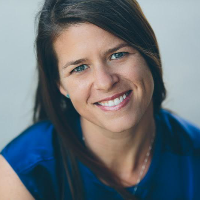
“Monthly Matters with Melody” is a monthly advice column by Dr. Melody Moore, a clinical psychologist, yoga instructor and the founder of the Embody Love Movement Foundation. Her foundation is a non-profit whose mission is to empower girls and women to celebrate their inner beauty, commit to kindness and contribute to meaningful change in the world. Dr. Moore is a social entrepreneur who trains facilitators on how to teach programs to prevent negative body image and remind girls and women of their inherent worth.
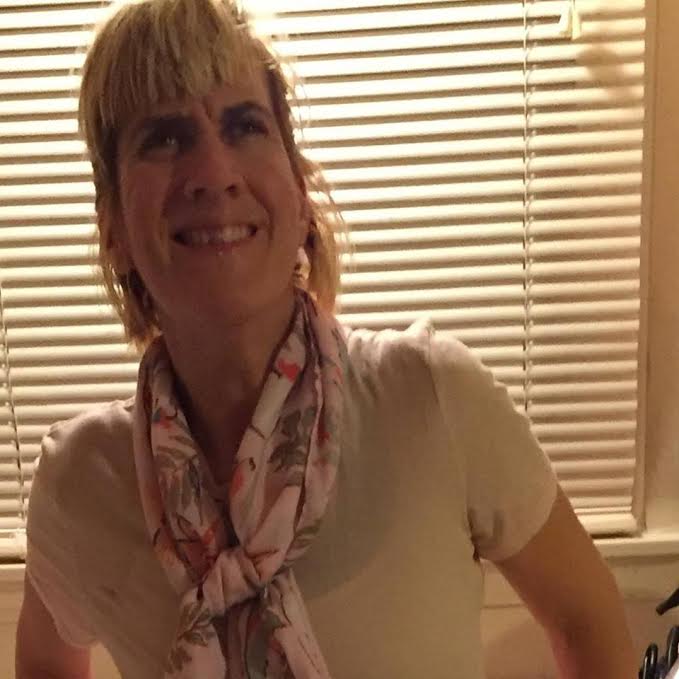
Many people don’t realize that living as a disabled person can be especially difficult, not because of the disability itself, but because abled individuals discriminate against us. Although I often like to forget I have cerebral palsy and live life like any other person, abled people have tried to place limitations on me due to my disability.