
National Eating Disorders Association
Blog

I don’t do things halfway (read: I often take things to the extreme). So, if you’d have told me even three years ago that I would be shopping for a bikini to wear in San Diego this summer, I’d have laughed in your face. Impossible. 

See, I believed perfection was possible. When it came to eating, fewer calories were always a little more perfect. When it came to exercise, more was always better. And when it came to physical appearance? Nothing represented my desire for perfection more than my desire for the elusive six-pack abs. 
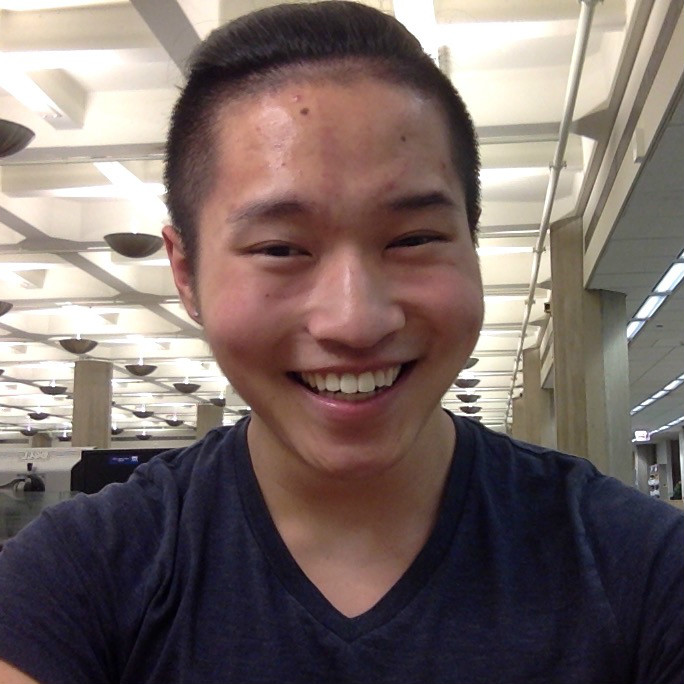
I was 11 years old when I started struggling with my first eating disorder. I did not know what anorexia was, nor did I know that the pinching of skin folds between my fingers, under my arms, and on my stomach, was symptomatic. I did not know that it wasn’t healthy to obsess over my reflection in car windows or to hunch over to keep my waist “tucked in.” I thought it was normal. But I wasn’t always this way. A once-expansive childhood had, somehow, collapsed into a labyrinth of dietary rituals and superstitions.

Substance abuse problems may begin before or during an eating disorder, or even after recovery. Those struggling with co-occurring substance use and disordered eating should speak with a trained professional who can understand, diagnose, and treat both substance use disorders and eating disorders.

There is a tendency for the media to portray eating disorders as superficial illnesses of female adolescence. The limited scope of these stories mitigates both the severe emotional and physical consequences inherent to eating disorders, as well as their prevalence across other genders and age groups. 

“Once in a while, right in the middle of an ordinary life, love gives us a fairytale.”

The family story about me that has enthralled me most has to do with my thighs. My mother says that the nurses who cared for me in the hospital nursery would pick up my newborn legs and laugh about the immense size of my thighs--far too big for an average-weight baby, they chided. Eventually, this disproportion led to body-shaming nicknames, like Thunder Thighs and Drumstick. On the one hand, I embraced their abundance. They were thick and powerful and helped me easily press double my weight in the gym.

In college, I found comfort in something I could control. I found comfort in something that allowed me to get on a higher platform in running. I dropped my time by four seconds in one year and for the 800 meters, that was a lot. I was on the record-breaking DMR team that went to nationals. I was working out with the best women. On the outside, I was the “perfect” athlete. I was overly-committed and working out all the time. I gained momentum from all the comments on how “good” or “lean” I looked. I was definitely in denial and I hid it well to those on the outside.

Although not formally recognized in the Diagnostic and Statistical Manual, awareness of orthorexia among the general public and within the eating disorder community is on the rise. The word “orthorexia” was coined in 1998 and means an obsession with proper or “healthful” eating. Although being aware of and concerned with the nutritional quality of the food you eat isn’t a problem in and of itself, people with orthorexia become so fixated on so-called “healthy eating” that they actually damage their own well-being.

I was born 3 months pre-mature, weighing 1 pound, 9 ounces. As a result of being born pre-maturely, I have mild cerebral palsy that affects how I walk. Growing up with a physical disability was very difficult; every day at school I was verbally and physically bullied. This bullying took a severe toll on my mental health and affected how I felt about myself. I was very depressed, I didn’t like myself, and I believed that no one else liked me. I didn’t really have any friends, just “acquaintances”; I felt very lonely and I often dreaded going to school. 

In a society so obsessed with health, when does striving to be “healthy” become dangerous? When does it turn into a problem? Many people are familiar with the more commonly known eating disorders - anorexia nervosa, bulimia nervosa, and binge eating disorder, but most people don’t know about another serious eating disorder: orthorexia nervosa. Orthorexia, while not yet an official diagnosis in the DSM-5, is a life-threatening problem that requires treatment.

Pages