

As I walked Sarah and Allison home from school, I noticed Allison falling behind. She began walking slower than us and staring down at the ground, silent. Our walks home from school usually involved nothing but talking and laughter, but today was different. She was usually the chatty one. I asked her what was wrong, but she brushed me off saying she was just tired.
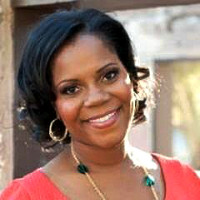
Dr. Lesley Williams is a certified eating disorder specialist, family medicine physician and positive body image advocate. She co-owns Liberation Center, an eating disorder treatment facility, in Phoenix, Arizona. Dr. Williams is dedicated to ensuring that all women and men that struggle with eating and body image issues receive the help that they need to overcome and live happy, healthy lives.

Recovery from an eating disorder takes a team. That’s why we’re working with Instagram and Project Heal on the #RecoveryHeroes campaign to celebrate all of the people who make recovery possible.
So, we want to hear from you! Who supported you on your journey to recovery? Who do you want to thank for all of their love and inspiration? Join the conversation and help us celebrate the people behind the scenes who make healing possible!
How to Participate:

This National Eating Disorders Awareness Week, we’re putting the spotlight on eating disorders, and in support of our efforts, Aerie just launched their Strong, Beautiful, Me campaign. The multi-pronged initiative will support NEDA in a variety of ways, and it’s easy to get involved!
Purchase a Limited Edition T-Shirt!
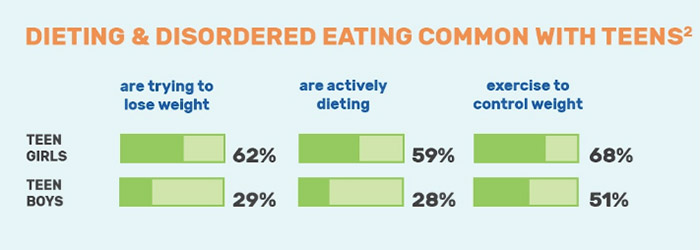
Eating disorders don’t happen in a vacuum – they are complex illnesses with close connections to substance abuse, trauma, obesity, and other mental health conditions, such as depression, anxiety, and obsessive-compulsive disorder (OCD). Myths and misinformation about eating disorders are everywhere, so it's time to get the facts straight and educate everyone about these serious public health concerns.
Learn more about eating disorders and help us spread the word by sharing these infographics (jam-packed with pictures, brand-new statistics, and a full list of references!).

I was 15 years old, the sun was shining, and I had just come home from school when my sister told me that she had an eating disorder. The memory remains vivid in my mind. I remember how saddened I was that I had not realized she was suffering. I remember the tears of relief she cried that she was no longer carrying this secret on her own. I remember the fear in her eyes as she contemplated treatment. Most of all, I remember my shock when she told me that she had been experiencing symptoms for more than three years. And no one knew.

Valentine’s Day can be a tough holiday, especially when you’re single, having a difficult time with friends, feeling disconnected from community or struggling with disordered eating. But here’s the good news: you can transform your Valentine’s Day to be a day of celebration! And here’s how:
1. Write your damn self a love note.
When was the last time that you explicitly expressed how much you appreciate yourself?

“Monthly Matters with Melody” is a monthly advice column by Dr. Melody Moore, a clinical psychologist, yoga instructor and the founder of the Embody Love Movement Foundation. Her foundation is a non-profit whose mission is to empower girls and women to celebrate their inner beauty, commit to kindness and contribute to meaningful change in the world. Dr. Moore is a social entrepreneur who trains facilitators on how to teach programs to prevent negative body image and remind girls and women of their inherent worth.

As someone who loves fashion, but hates many parts of the industry itself, it is almost an assumption that I will be disappointed by the lack of diversity within the field. I am an Indian-American woman and I’ve never expected to see anyone who looks like me modeling, or, more importantly, creating the clothes and trends I so lovingly dote on.

Most eating disorder sufferers would agree that even once recovery begins, the act of being around food can still be especially distressing. The treatment and recovery process becomes even more difficult when others assume that because you’re eating and cooking now, then everything is okay. The truth is that recovery is a lifelong journey, and circumstances will change periodically.